

Exploring the psychology behind casino gaming
The Allure of Risk and Reward
One of the primary psychological drivers behind casino gaming is the allure of risk and reward. People are naturally drawn to activities that present a challenge and an opportunity for gain. The thrill of placing a bet, knowing there is a chance of winning a significant payout, taps into our innate desire for excitement and adventure. This psychological phenomenon is deeply rooted in human evolution, where taking risks often led to survival and greater social standing. For many individuals, the notion of potentially transforming a small wager into a life-changing sum creates a compelling narrative that is hard to resist, especially when considering the options for a quick cash-out like uk casino fast withdrawal that enhance the overall experience.
The dopamine release in the brain, triggered by the anticipation of winning, reinforces this behavior. When players engage in games of chance, they experience heightened emotions, which can lead to a euphoria that is difficult to replicate in everyday life. The brain’s reward system becomes activated, strengthening the association between risk-taking and pleasure. Additionally, the near misses that players often encounter create a false sense of hope, encouraging them to continue playing despite the odds not being in their favor. This psychological dynamic keeps players returning to the gaming floor, hoping that the next spin or roll will be their big break.
Moreover, the design of casinos is tailored to exploit these psychological tendencies. With vibrant colors, sounds of winning, and the overall atmosphere that promotes excitement, casinos create an environment that amplifies the enjoyment of risk-taking. The strategic placement of gaming machines, the use of bright lights, and the sounds of coins dropping enhance the sensory experience, making it feel rewarding even in the absence of actual winnings. The combination of all these elements contributes to a compelling experience that keeps players engaged psychologically and emotionally, leading to prolonged gaming sessions and increased spending.
The Role of Cognitive Biases
Cognitive biases play a significant role in the psychology of casino gaming. Gamblers tend to overestimate their chances of winning, a phenomenon known as the “gambler’s fallacy.” Players often believe that past events can influence future outcomes, leading them to think that a game is ‘due’ for a win after a series of losses. This flawed logic can create a persistent cycle of betting, even when the odds remain unchanged. For instance, someone may continue to bet on a losing slot machine, convinced that a win is inevitable due to a streak of losses, despite the arbitrary nature of the game.
Another common bias is the illusion of control, where players feel they can influence the outcome of a game, such as dice rolls or card shuffles, despite the fact that these games are ultimately based on chance. This belief can encourage individuals to engage in riskier betting behaviors, as they feel empowered to change the outcome in their favor. The perception that skill plays a role in games of chance can lead players to develop strategies that are often ineffective, yet they remain convinced that they hold the key to success. Understanding these biases is crucial for recognizing why people continue to gamble, even when they face significant losses.

The design of gaming machines and tables also contributes to cognitive biases. For instance, slot machines are engineered to create a sense of accomplishment through frequent, smaller wins, thereby reinforcing the gambler’s belief in their skill and strategy. These machines are programmed to deliver a series of small payouts to keep players engaged, further entrenching the belief that they are on the brink of a larger win. This manipulation of human psychology makes it essential for individuals to remain aware of their biases and approach gaming with a critical mindset, which is often lost in the thrilling environment of a casino.
The Social Aspect of Gambling
The social dynamics of casino gaming add another layer to its psychological appeal. Casinos often serve as communal spaces where individuals come together to celebrate victories, share experiences, and engage in a shared activity. This social element can enhance the enjoyment of gaming, as players bond over the highs and lows of the gambling experience. Whether it is cheering for a friend who wins at a table or sharing stories of previous gaming experiences, the communal aspect reinforces a sense of belonging and camaraderie among players.
Moreover, the presence of other players can influence an individual’s gaming behavior. The excitement of winning in a group can amplify the satisfaction derived from a victory, while the shared disappointment in losses can foster camaraderie. This social reinforcement can encourage individuals to gamble more than they might otherwise, adhering to the adage that ‘misery loves company’ when experiencing losses or celebrating wins together. The interaction with others can create an electric atmosphere that intensifies the thrill of the game, making it difficult for players to walk away even when they know they should.
Additionally, the trend of online casinos has emerged as a virtual counterpart to this social aspect, allowing players to interact through chat functions and live dealer games. The online gaming environment replicates many of the social interactions found in physical casinos, thus expanding the reach of gambling behavior. Players can engage with others from around the world, creating new friendships and social networks centered around gaming. This development underscores how the social dimension of casino gaming can significantly impact individual habits and preferences, further entrenching the psychological motivations behind the activity.
Emotional Responses and Addiction
The emotional responses elicited by casino gaming can lead to both positive and negative outcomes. For many, gambling is a source of entertainment and an escape from daily stressors, providing a temporary reprieve from life’s challenges. However, for others, the excitement can spiral into compulsive behavior and addiction. The emotional highs associated with winning can become increasingly addictive, leading individuals to chase that feeling at the expense of their relationships and financial stability. The thrill of the game can create a rollercoaster of emotions, drawing players deeper into the gaming experience.
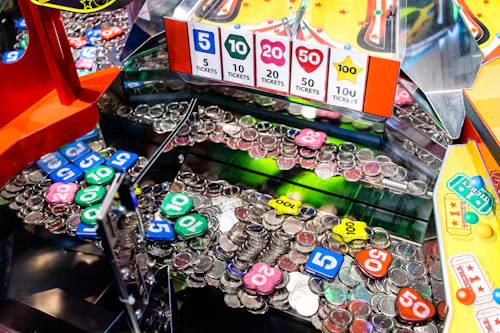
Compulsive gambling is often characterized by a cycle of emotional highs and lows. Players may experience a euphoric rush when they win, only to face feelings of regret and despair when losses accumulate. This volatile emotional landscape can trap individuals, leading them to gamble more in an attempt to recapture that initial joy. As losses mount, the desperation to win back lost money can lead to reckless behavior, making it crucial for players to recognize the signs of unhealthy gambling habits. Understanding these emotional responses is essential for recognizing the potential risks associated with gambling and addressing issues of addiction.
Effective strategies for managing gambling behavior often involve developing a comprehensive understanding of one’s emotional triggers. Therapy and support groups can provide individuals with tools to cope with the highs and lows of gambling. Many individuals find that discussing their experiences with others who understand the challenges can be incredibly beneficial. By addressing the underlying psychological factors that contribute to compulsive behavior, individuals can learn to enjoy the experience of gaming without falling victim to its potential pitfalls. Empowering oneself with knowledge and support can lead to a healthier relationship with gambling.
Resources for Responsible Gaming
As the psychology behind casino gaming becomes clearer, it’s essential to emphasize responsible gaming practices. Various organizations and resources provide support and information for individuals looking to manage their gambling habits better. These resources often focus on educating players about the risks of gambling, highlighting the importance of setting limits, and promoting a balanced approach to gaming. Many casinos have adopted measures to ensure a safe gaming environment, allowing players to engage with games while understanding the potential consequences.
Many casinos have implemented responsible gaming initiatives aimed at creating an environment where players can enjoy gaming while being aware of its psychological effects. These measures may include self-exclusion programs, information about problem gambling, and resources for seeking help. By fostering a culture of awareness, casinos can play a pivotal role in ensuring that gaming remains a source of entertainment rather than a destructive habit. Additionally, public awareness campaigns can help inform players about the signs of gambling addiction and where to seek assistance.
Overall, understanding the psychology behind casino gaming can empower individuals to make informed decisions. By recognizing the emotional, cognitive, and social factors at play, players can cultivate a healthier relationship with gambling, enjoying the thrill of the experience while mitigating the risks associated with it. Players are encouraged to seek help if they find themselves struggling, as the key to responsible gaming lies in awareness and proactive management of one’s gaming habits.
Recent Comments